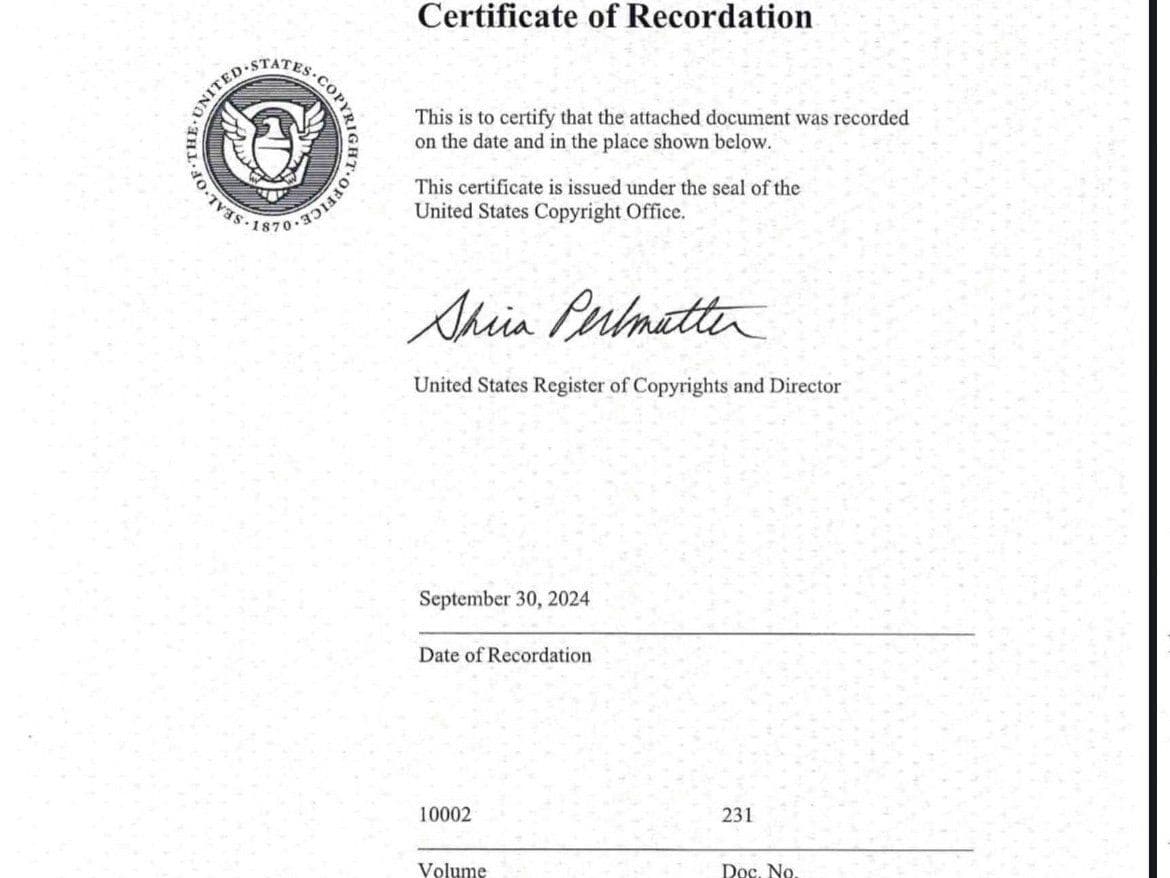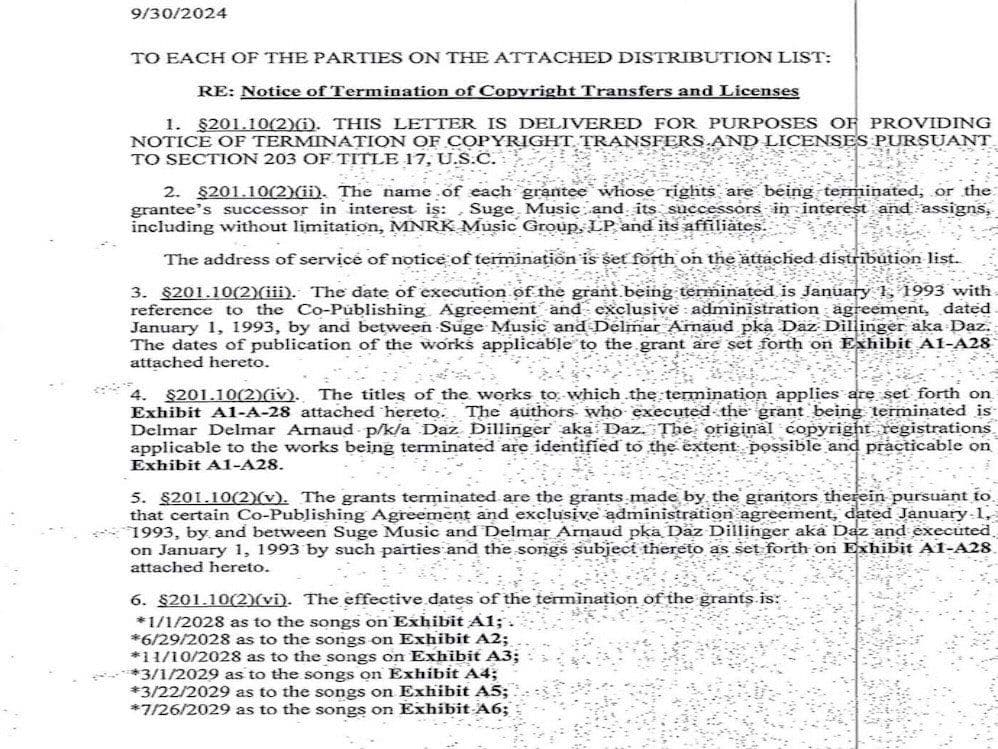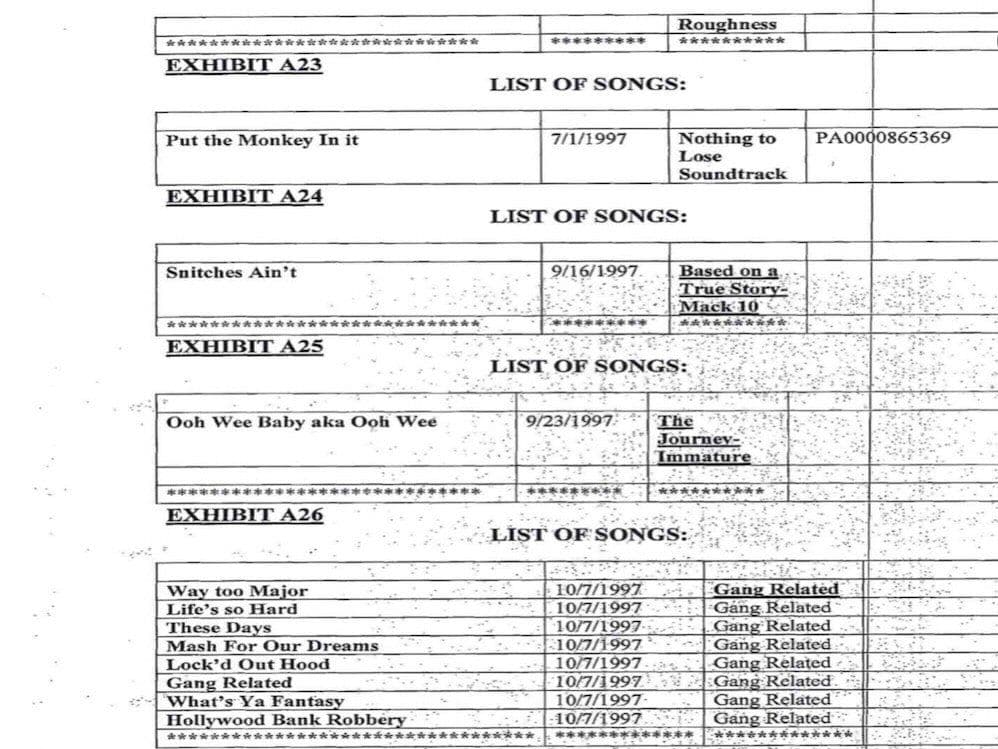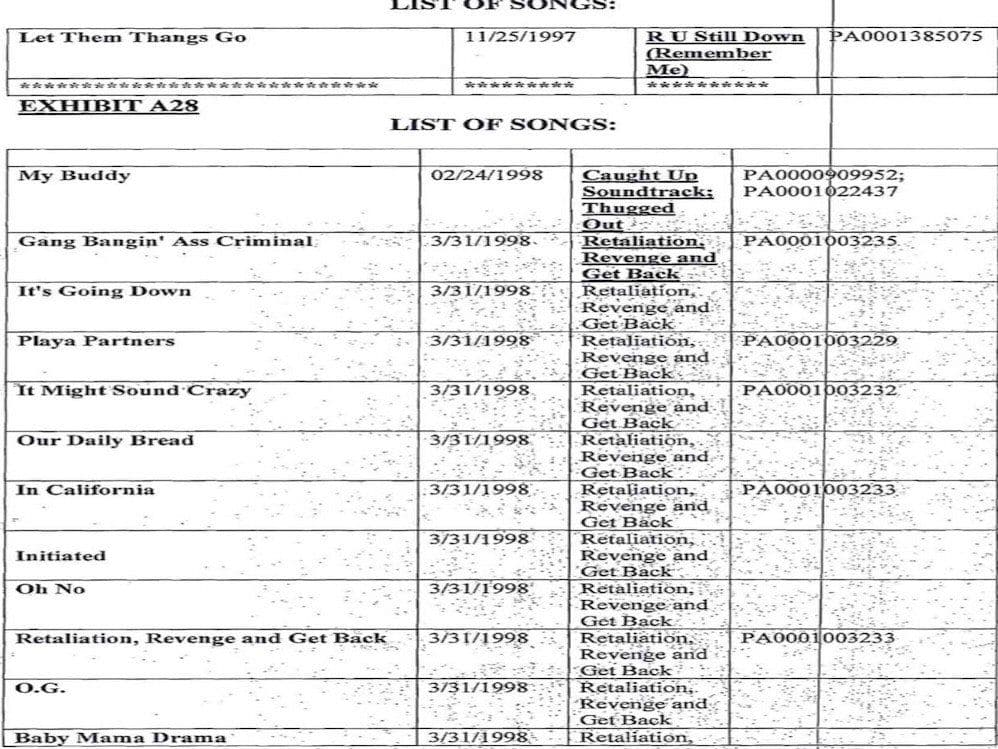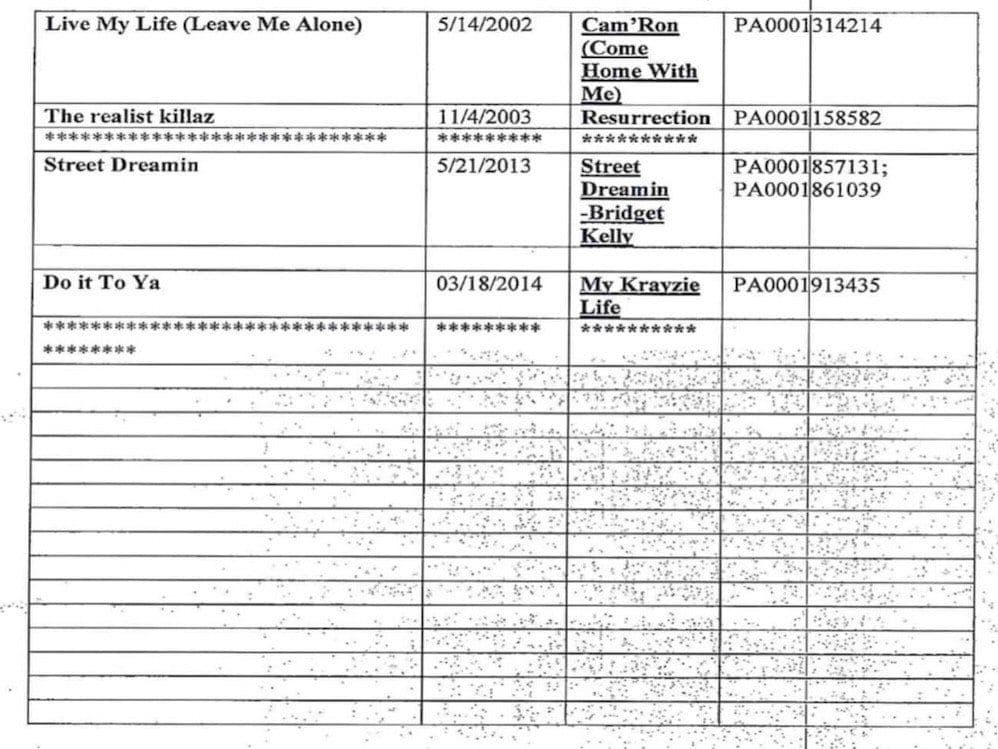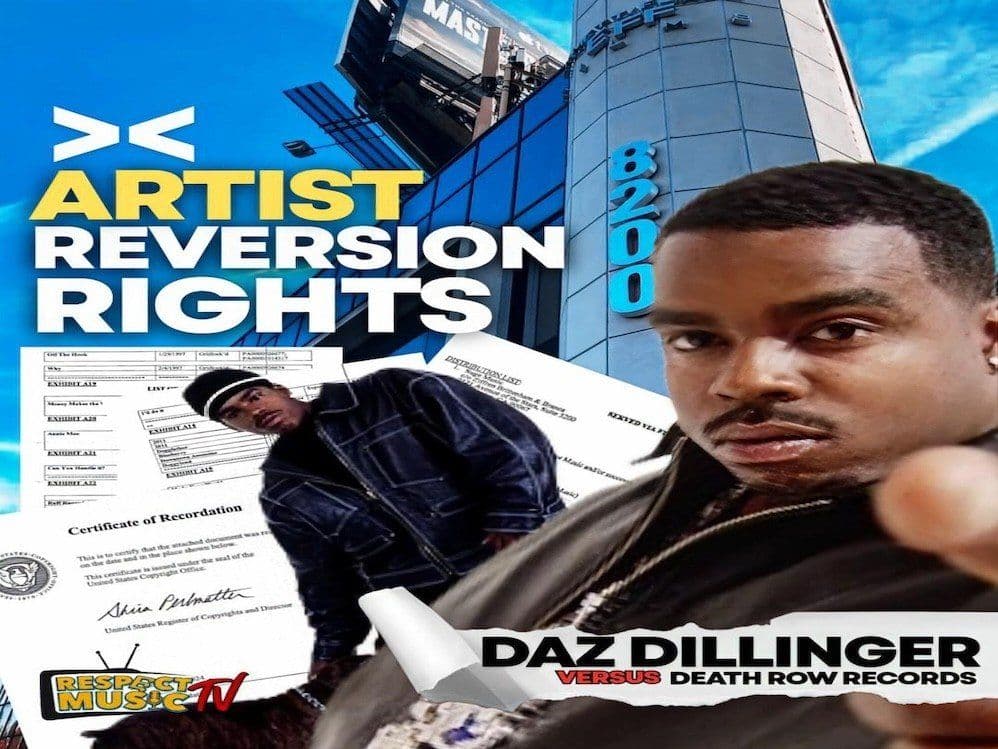

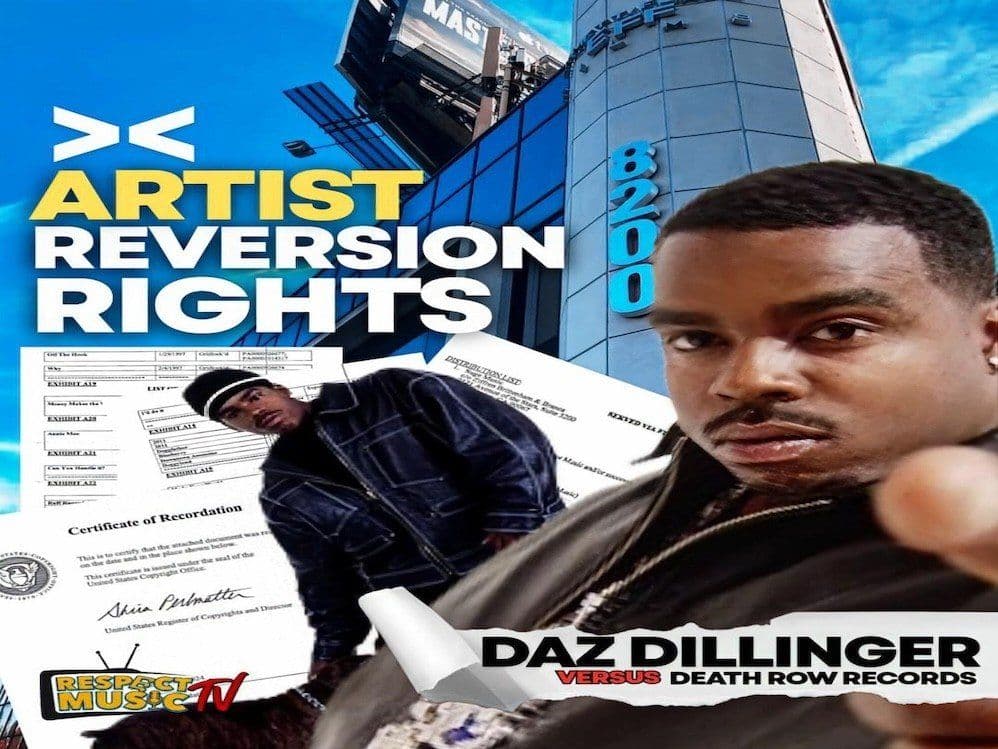
LOS ANGELES — Veteran West Coast rapper and producer Daz Dillinger has moved to exercise his copyright termination rights against Death Row Records, asserting claims over publishing and ownership tied to music released during the label’s influential 1990s era.
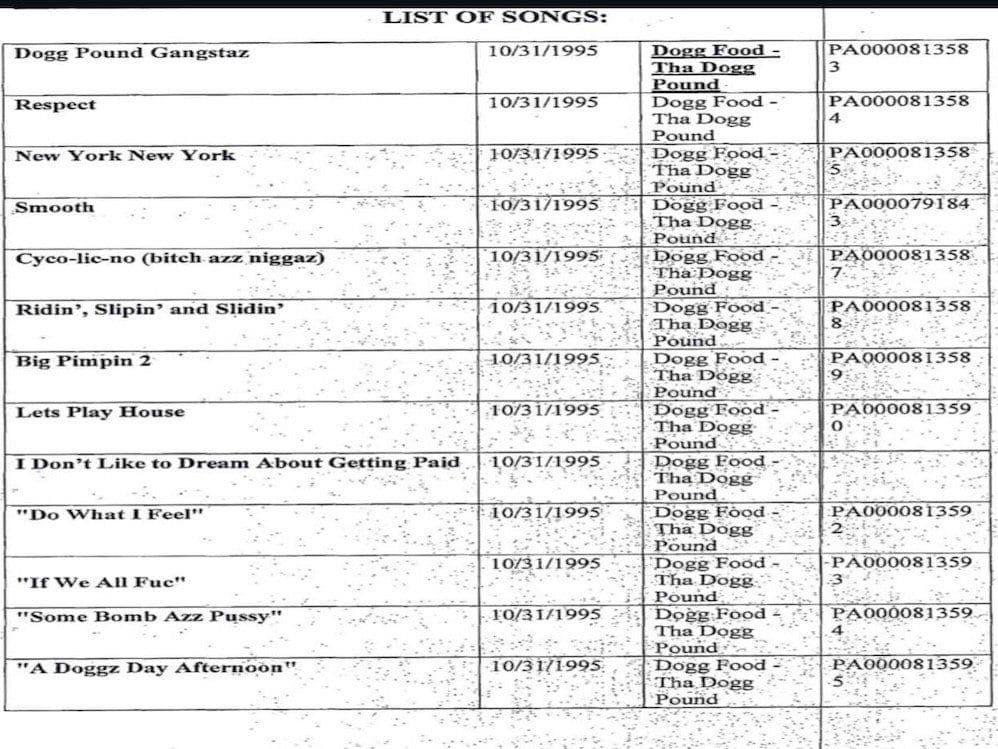
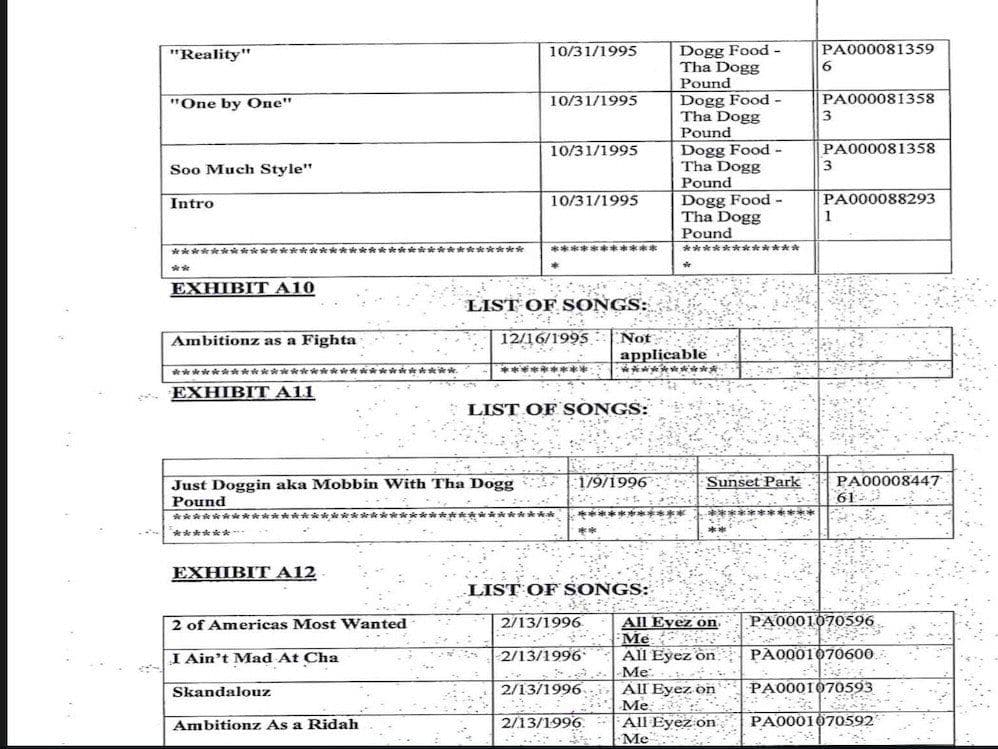
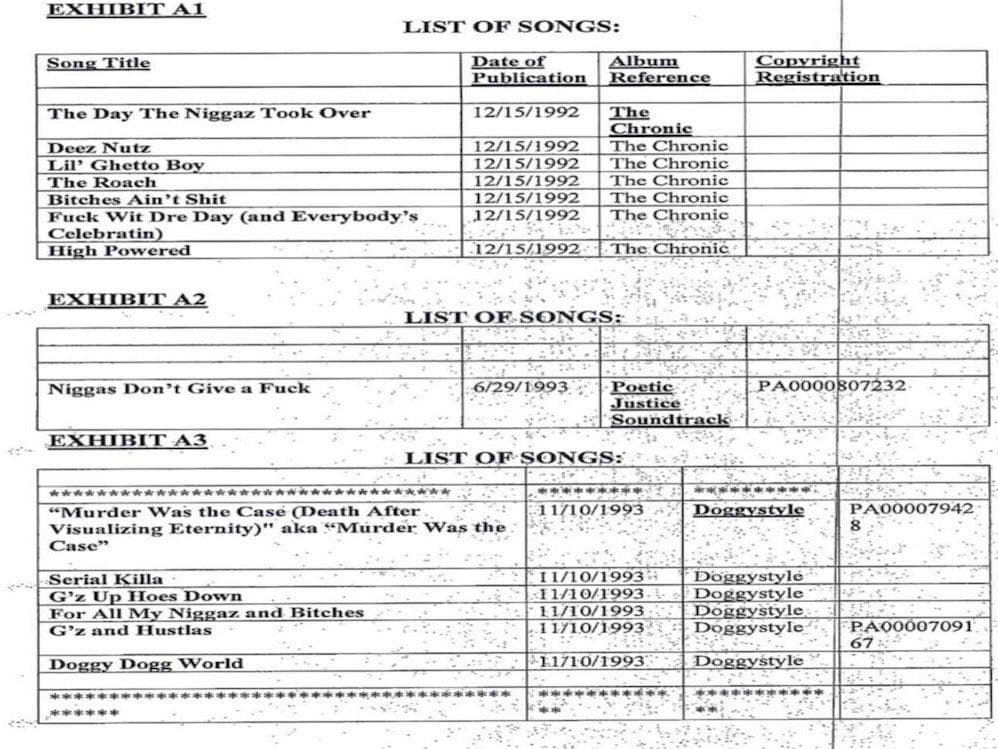
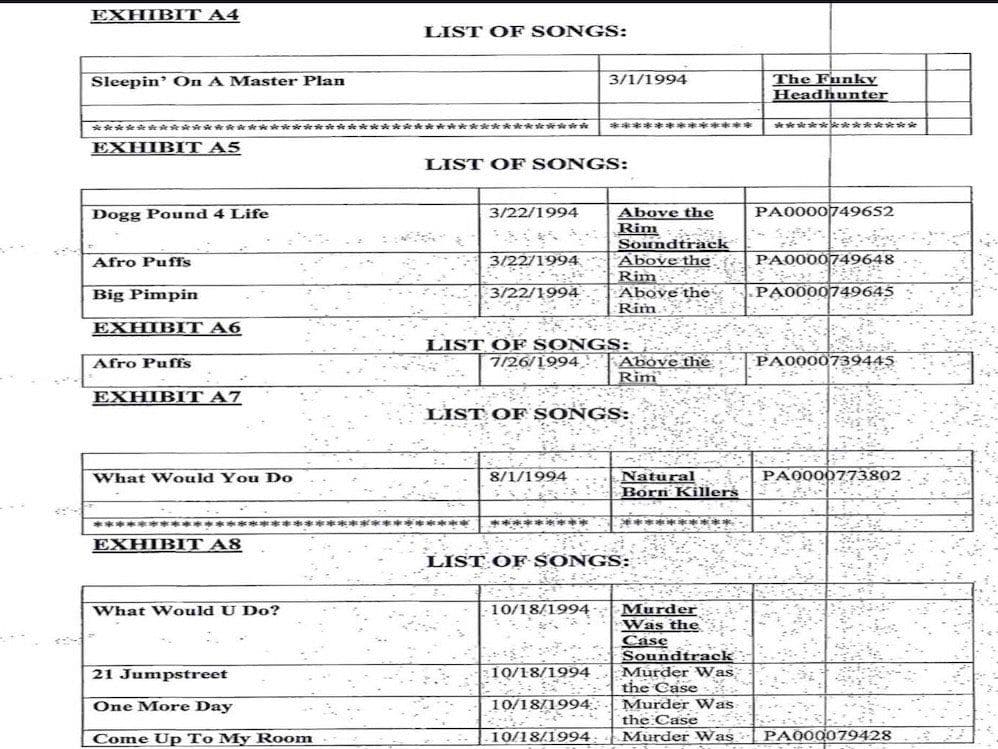
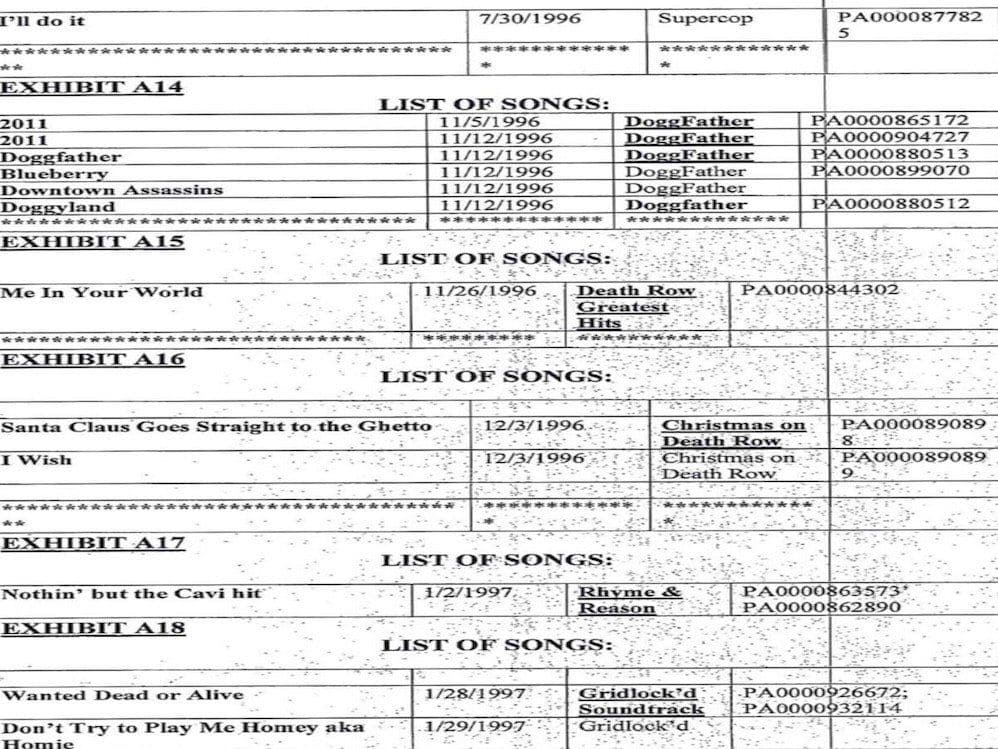
In public statements, Daz said the action involves works he contributed to as an artist and producer, including material associated with Dr. Dre’s 1992 album The Chronic and other Death Row–era recordings including a long list of songs such as dogg pound 4 life, what would you do from murder was the case soundtrack, fuck with Dre day, Deez nuts , and a few songs from 2pac catalog like 2 of Americas Most Wanted , I ain’t mad at cha , and also Ambitious as a Rider which allowed him to purchase his 11 acres of land. Daz maintains that under U.S. copyright law, those rights are eligible to revert to him after the statutory period.
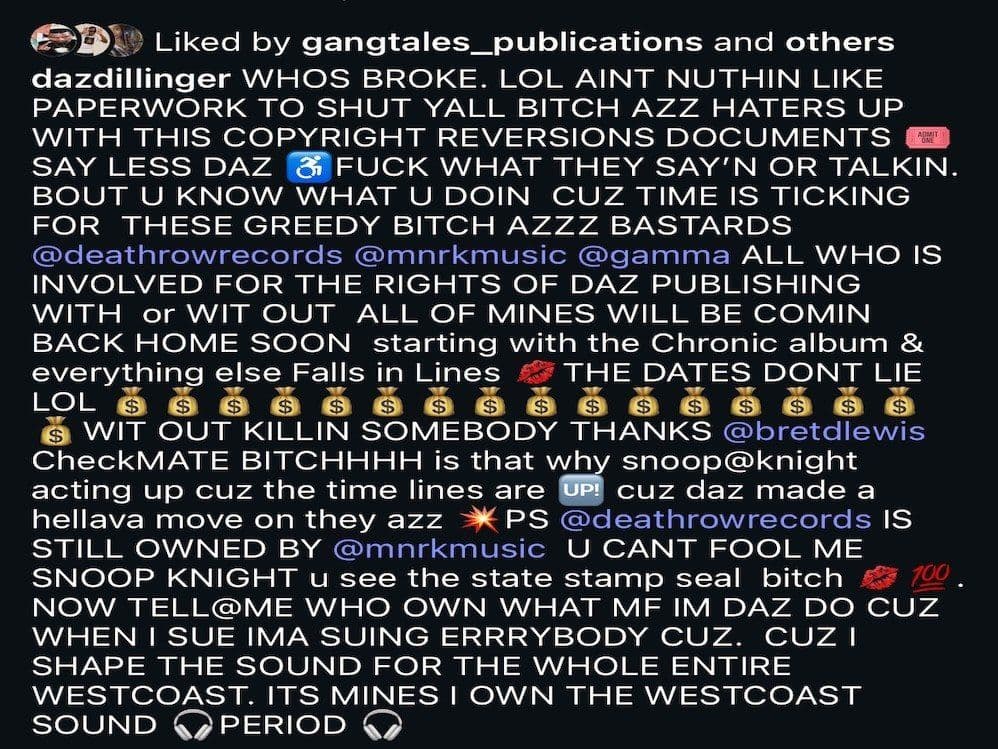
The dispute also places Daz at odds with Snoop Dogg, his blood cousin and the current owner of Death Row Records. Daz has said he is prepared to pursue legal action if his claims are not recognized, specifically over publishing interests he says continue to be exploited without his consent.
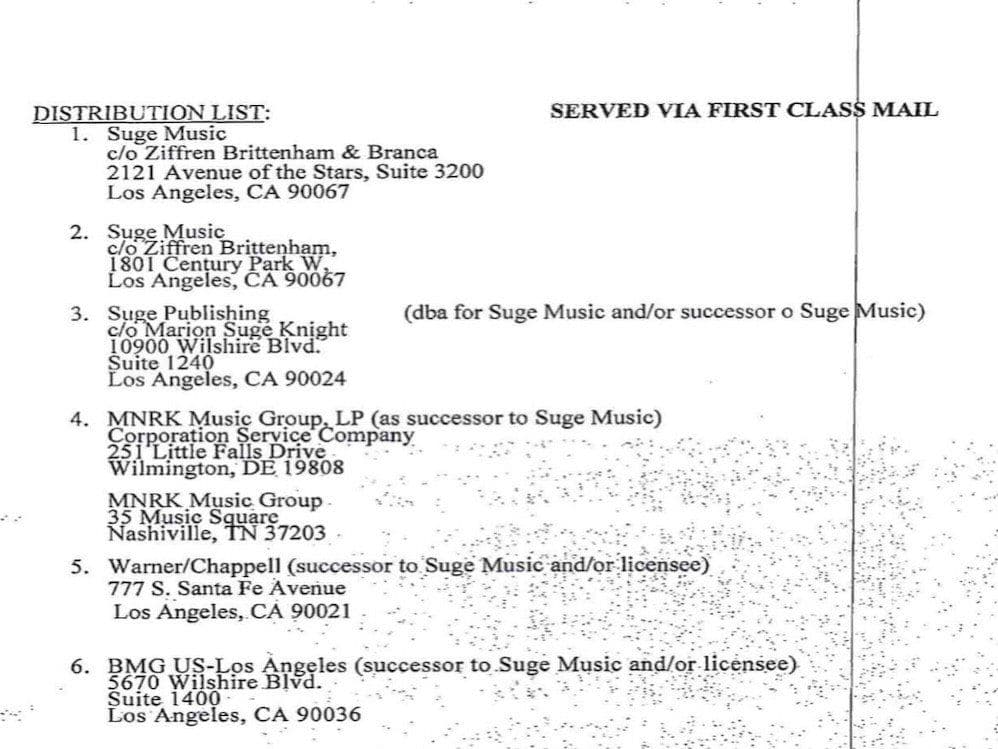
In his remarks, Daz criticized companies connected to the current distribution and administration of Death Row material, including Gamma Music and Monarch (MNRK)Music Group. He accused the companies of prioritizing profits over artist compensation, referring to them as “greedy bit*ch azzz bastards,” a characterization made in his own words.
Daz also took aim at Snoop Dogg’s leadership of the label, referring to him as “Snoop Knight,” a comment intended to draw a comparison to Death Row’s former co-founder Suge Knight, whose tenure remains controversial in hip-hop history.
Neither Death Row Records, Snoop Dogg, Gamma Music, nor MNRK Music Group has publicly responded to Daz’s claims as of publication.
Copyright termination filings have become increasingly common as legacy artists revisit contracts signed decades earlier, often during the early stages of their careers. Daz’s action adds to the ongoing legal and cultural reckoning surrounding Death Row Records and its catalog.
The matter remains unresolved.