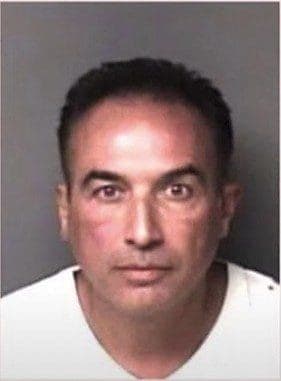
Michael Smith a 52 year old man from Cornelius North Carolina charged in a case that quickly became one of the most significant streaming fraud prosecutions in U.S. history. The case filed as United States v Michael Smith docket number 24 Cr 504 in the Southern District of New York alleges Smith ran a multi year scheme that exploited music streaming platforms through artificial intelligence and automated listening.
While Smith was being charged criminally another controversy was unfolding at the highest level of the music industry. In late 2024 Drake through his company Frozen Moments LLC filed legal actions accusing Universal Music Group and Spotify of artificially inflating the streaming numbers of Kendrick Lamar’s diss track Not Like Us.
Drake alleged that the inflated streams devalued his own music and distorted public perception during one of the most visible rap feuds in recent history. His filings claimed that behind the scenes business arrangements and promotional tactics may have been used to aggressively push Kendrick Lamar’s song beyond organic fan demand.
The accusations included claims of preferential algorithmic placement reduced licensing rates in exchange for promotion heavy playlisting and influencer amplification. Drake also alleged that these tactics crossed the line from marketing into manipulation. Both Universal Music Group and Spotify strongly denied the allegations and no criminal charges have been filed. The dispute has remained within the civil legal system with motions filings and public statements from all sides.
At first glance the Cornelius case and Drake’s accusations appear worlds apart. One involves a private individual accused of building a secret bot network. The other involves one of the most powerful labels in the world and the largest streaming platforms on the planet. But at their core both cases revolve around the same issue control over streaming numbers and the money and influence they generate.
In the Cornelius case prosecutors argue the fraud was clear because the streams were entirely fake and designed to deceive platforms into paying royalties. In the Drake situation the debate centers on whether aggressive promotion and behind the scenes business deals distort the market even if they technically fall within existing contracts.
This distinction raises an uncomfortable question. Was Michael Smith doing on a small scale what critics have long accused major labels of doing on a massive scale. If so is the difference truly about ethics or simply about access power and legal cover.
These cases also highlight how modern fans consume music. Streaming numbers are widely accepted as proof of popularity success and cultural relevance. Fans assume charts playlists and viral metrics reflect genuine listener behavior. But if bots can fabricate success in one case and corporate influence can allegedly steer attention in another the line between organic demand and manufactured popularity becomes blurred.
Streaming platforms rely heavily on algorithms and those algorithms respond to engagement. When engagement can be artificially created or strategically amplified the entire ecosystem becomes vulnerable to manipulation whether by individuals or corporations.
Michael Smith was charged swiftly once investigators gathered evidence of fraudulent activity. His case moved directly into criminal court. By contrast allegations against major industry players remain unproven and uninvestigated at a criminal level. This disparity has fueled debate about fairness and accountability.
Some argue that Smith’s case was straightforward because it involved clear deception and falsified data. Others question whether similar scrutiny should apply when accusations target powerful entities whose influence shapes the industry at scale. If streaming manipulation undermines trust and diverts money from artists should all credible allegations receive equal investigation regardless of who is accused.
These cases expose a deeper truth about the streaming era. Numbers drive everything from payouts to prestige yet the systems generating those numbers remain opaque. Until transparency increases questions will continue to surface about who benefits who loses and who gets punished.
Michael Smith now faces the full weight of the federal justice system. Drake’s allegations remain a flashpoint in a much larger debate about power and fairness in music. Together they force the industry to confront whether streaming fraud is defined by behavior or by who controls the system.
As hip hop continues to dominate global culture the fight over streams may ultimately define the future of how success is measured who gets paid and who gets held accountable.
Streaming is becoming devalued and untrustworthy due to automation programs such as bots used to push streams and viewerships from non binary artificial intelligence, will cds come back or will another invention take over to give that access and power back into the people’s hands of direct to consumer business models.