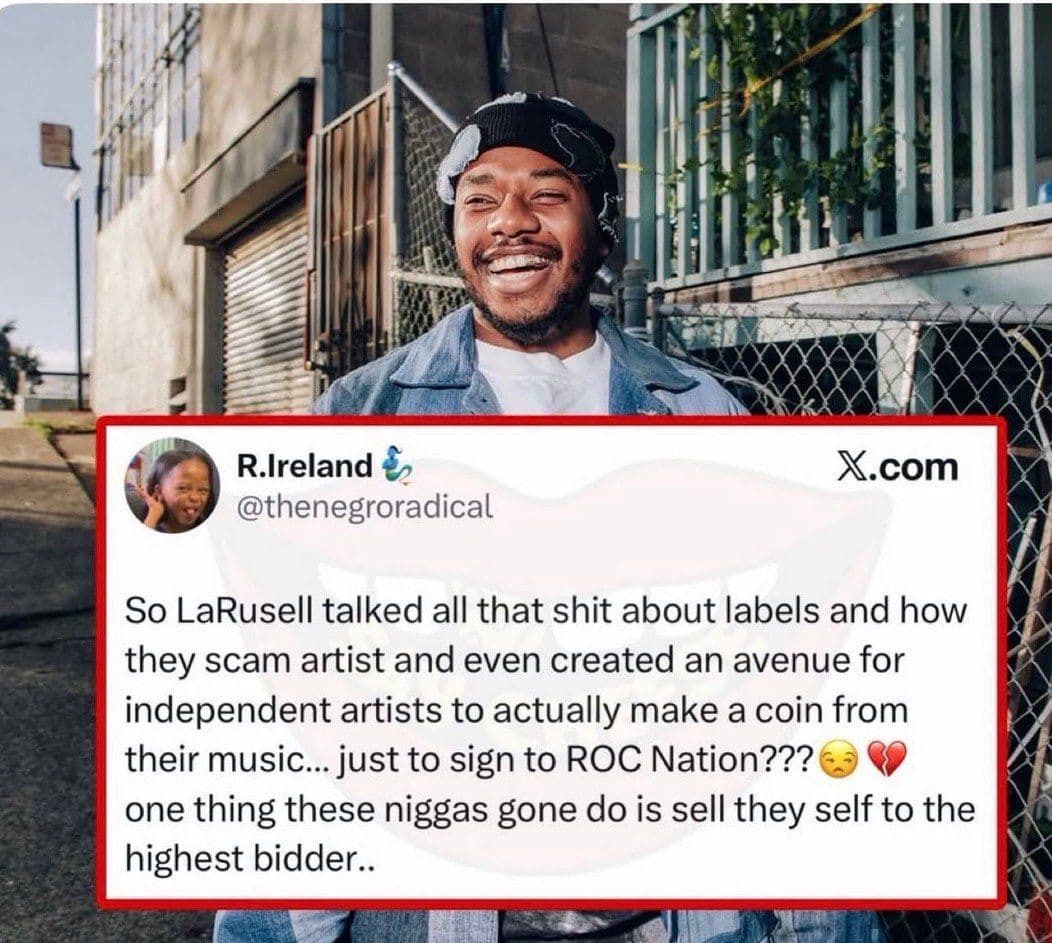


LaRussell has become one of the most visible examples of what modern independence in hip hop looks like when it actually works. Long before any major label paperwork entered the picture, he built momentum on his own terms using even.biz, a direct to fan platform that allowed supporters to invest in his music and growth in real time. Instead of chasing advances, he focused on ownership, community, and transparency, turning his audience into stakeholders rather than just consumers. That approach attracted not only fans but also high profile supporters, with celebrities publicly backing his movement without the involvement of a major label machine.
Early on, LaRussell was approached by Roc Nation with an offer that ultimately devalued what he was already building. Rather than accepting a deal that did not reflect his worth, he declined and openly spoke about what he viewed as poor business practices within the contract. That moment became part of his narrative. An independent artist choosing leverage over validation and walking away from one of the most powerful brands in music. Instead of slowing him down, that decision strengthened his brand and reinforced the idea that independence was not a placeholder but a viable path to real success.
Over the next two years, LaRussell continued to grow without Jay Z, without Roc Nation, and without any major label backing. His success during that period is undeniable. He sold music directly, cultivated a loyal fan base, and proved that independence could generate real income, visibility, and cultural relevance. Then came the unexpected turn. Jay Z eventually met with LaRussell again, and this time, a deal was made. The terms have not been made public, and it is unclear what issues from the initial offer were addressed or restructured. What is clear is that the leverage had shifted. LaRussell was no longer an artist seeking opportunity. He was a proven business.
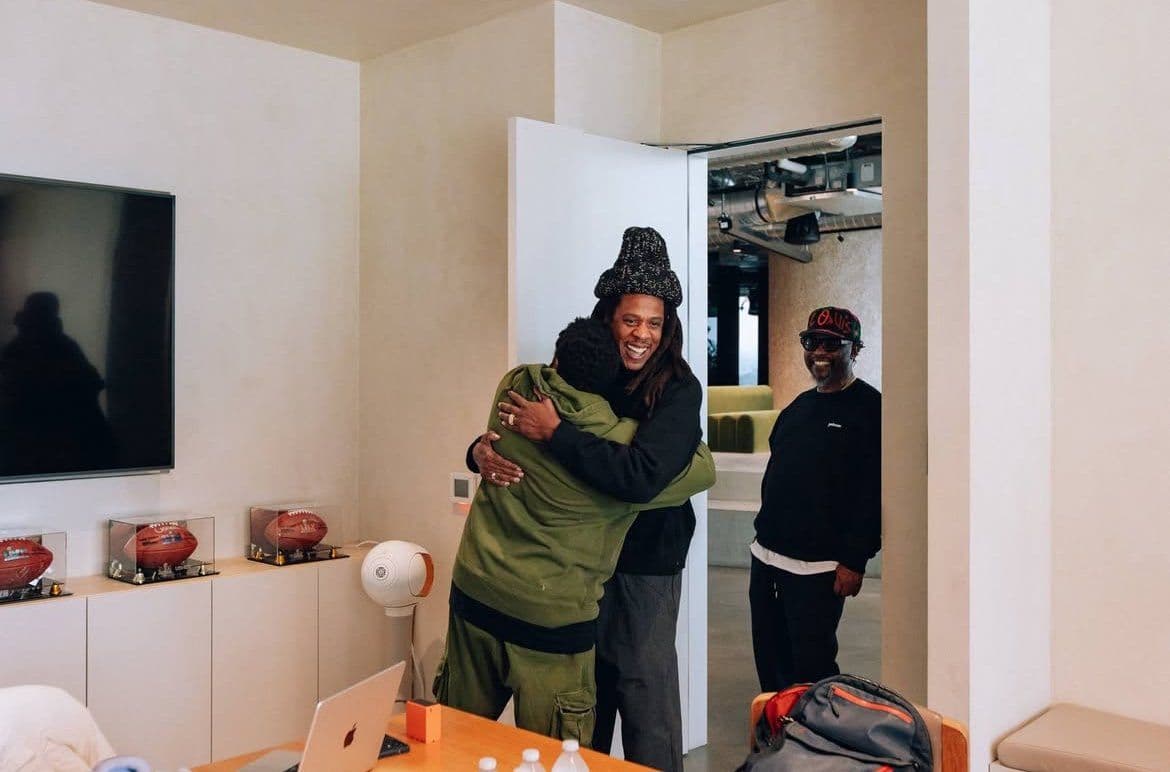

This raises an important question. Was signing with Roc Nation a good business move, or would staying fully independent through even.biz have been the stronger long term play. On one hand, aligning with Roc Nation can provide access, infrastructure, and strategic positioning that even the most successful independent artists may eventually seek. On the other hand, LaRussell had already proven he did not need those resources to thrive. His independence was not theoretical. It was profitable, visible, and influential.
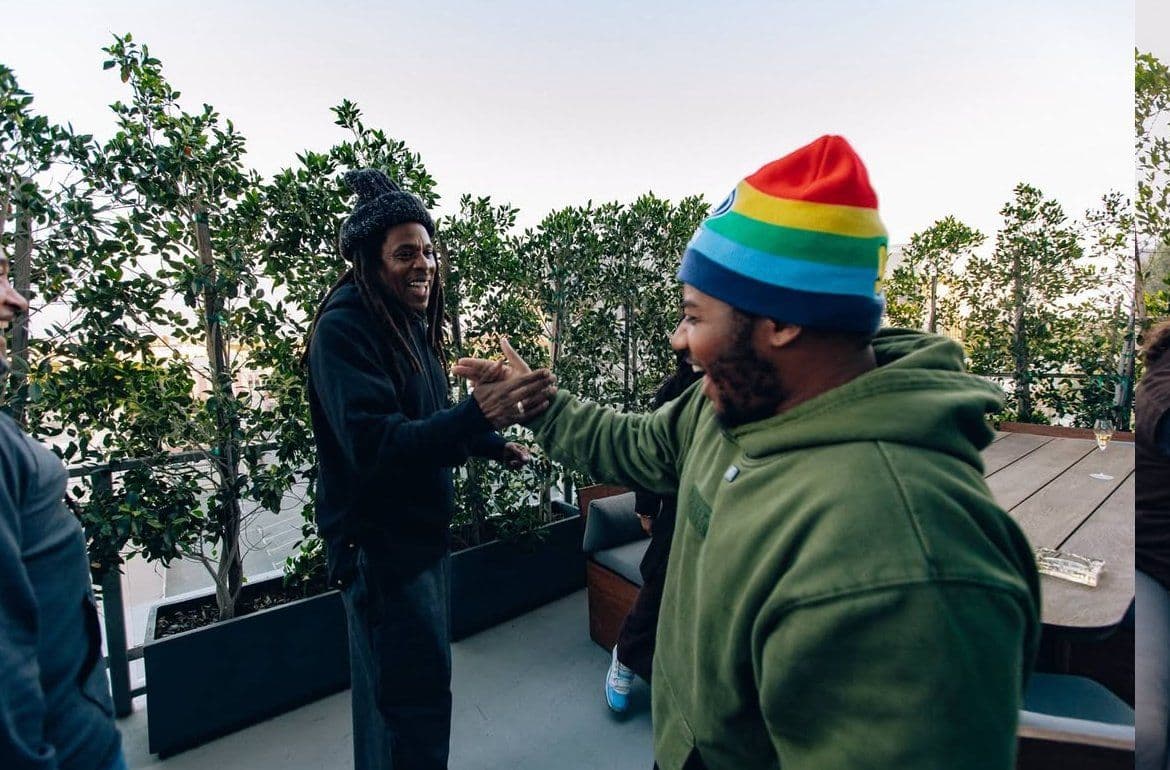
The larger conversation extends beyond LaRussell himself. It forces the industry to confront whether independence in hip hop is truly freedom or simply a different phase before eventual alignment with major entities. For some artists, independence can be smoke and mirrors, offering the illusion of control while still relying on systems controlled by the same power structures. For others, like LaRussell, it can be a tool to build leverage, redefine value, and change the terms of engagement entirely.
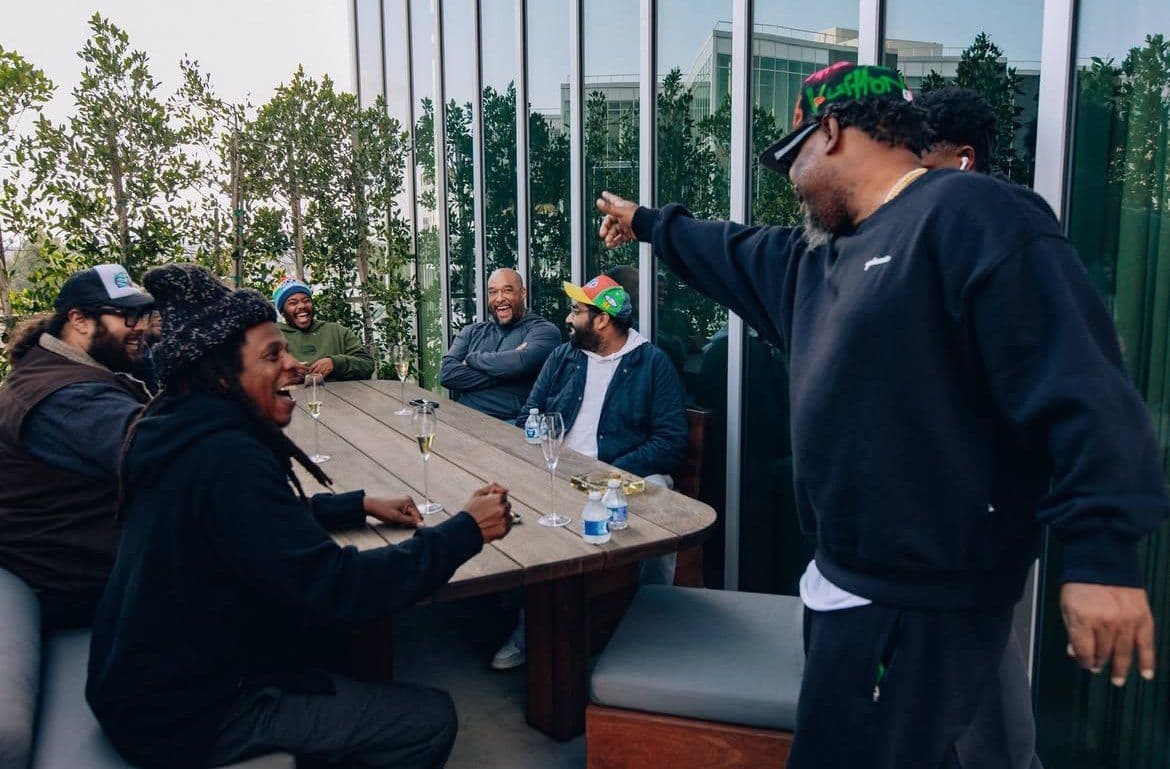
LaRussell’s journey suggests that independence is not about never behind signing a deal. It is about when you sign, why you sign, and what you bring to the table when you do. Whether his decision ultimately proves to be the right one will be judged over time. What cannot be debated is that his success without labels, without Roc Nation, and without industry permission reshaped the conversation. In an industry built on ownership disputes and imbalance, LaRussell showed that independence is real when it is backed by execution, community, and Also leverage rather than hype.